Batak Ceviche with Rainbow Runner
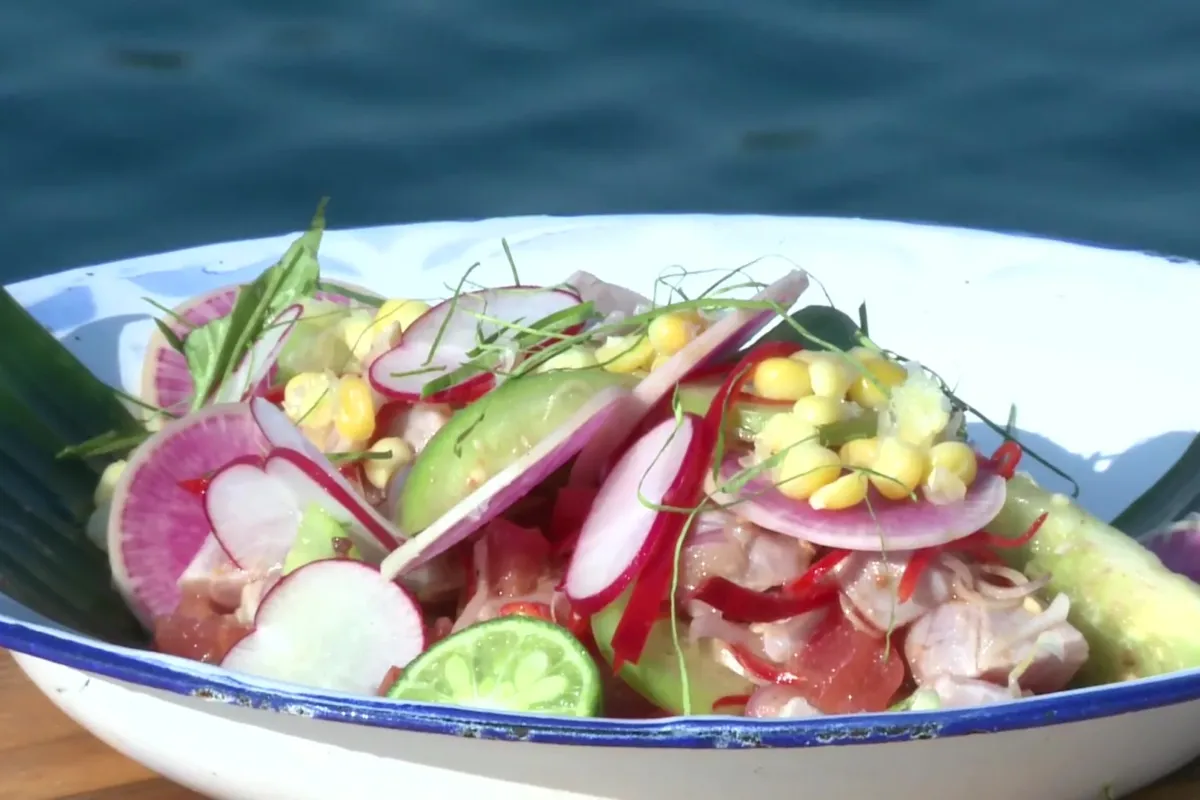
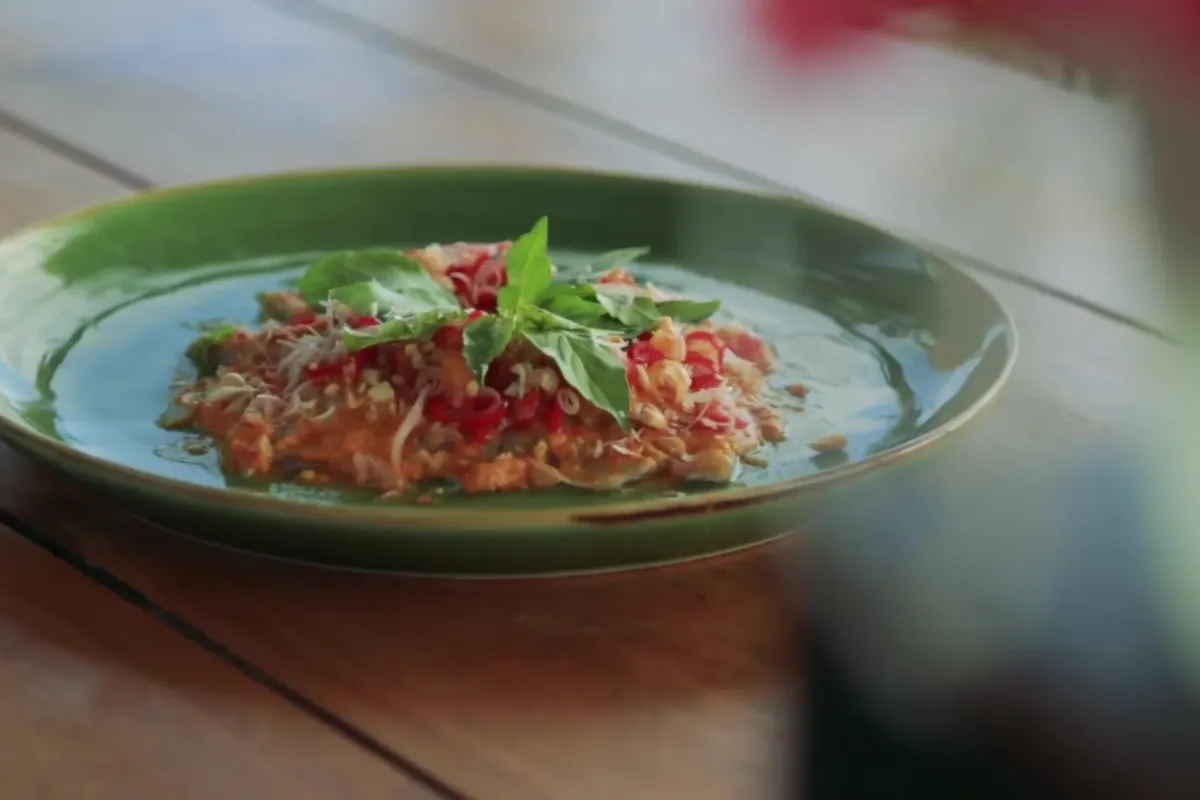
A Batak-style ceviche of rainbow runner: raw fish dressed in lime and a grilled turmeric, ginger flower and peanut paste, with sambal matah on top.
Method
Grill the aromatics
- Grill the turmeric, ginger and torch ginger bud over a flame or in a dry pan until charred in places and fragrant.
Make the paste
- Pound or blend the grilled aromatics with the shallots, garlic, peanuts, chillies and andaliman to a coarse paste. Season with salt.
Slice the fish
- Slice the fish into thin pieces with a long, clean cut. Keep it chilled.
Dress the fish
- Toss the fish with the lime juice and about 4 tablespoons of paste. Taste and add salt.
Make the sambal matah
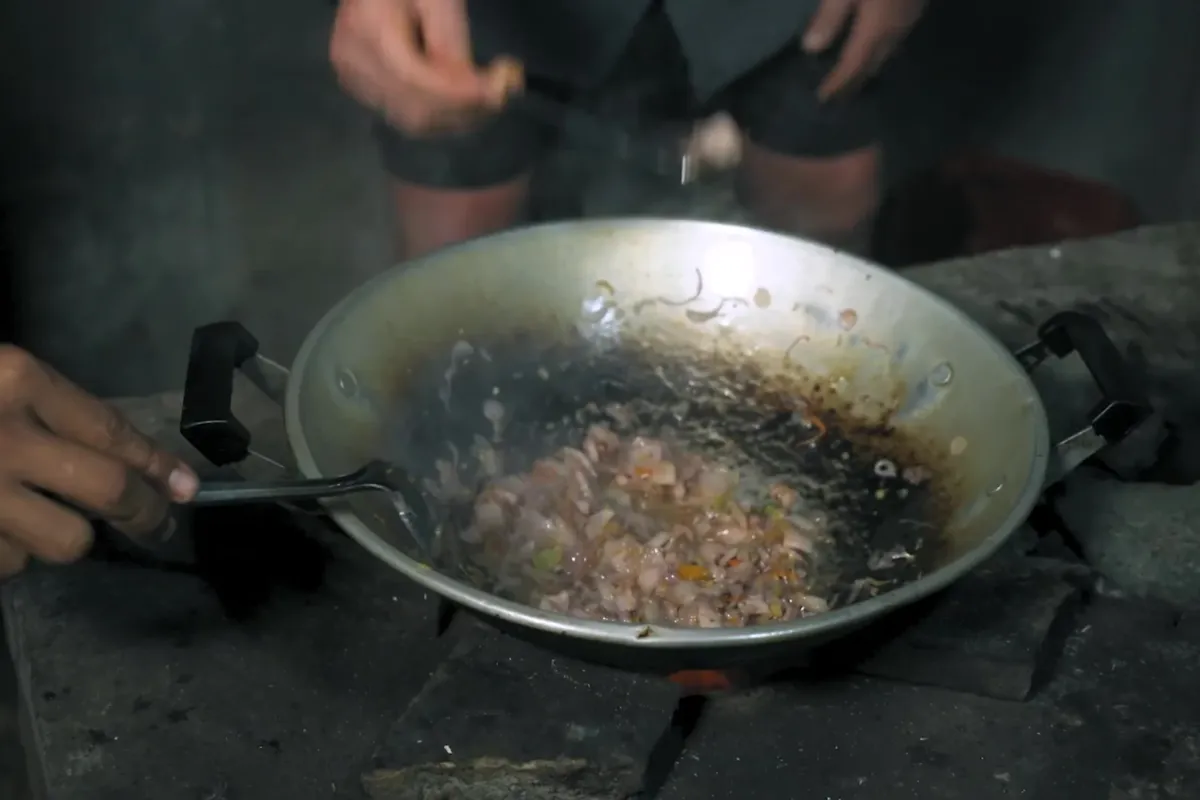
- Mix the shallots, lemongrass, chillies and lime leaf with the warm coconut oil, lime juice and salt.
Serve
- Spoon the fish onto plates, top with sambal matah, crushed peanuts and torch ginger. Serve straight away.
Tap a step to mark it done.
Useful shortcuts for home cooks
Andaliman is the numbing Batak pepper. If you cannot find it, use a small pinch of Sichuan pepper.
Rainbow runner can be swapped for tuna, mackerel or snapper, as long as it is very fresh.
The paste keeps in the fridge for 2 days and also works as a marinade for grilled fish.
The story behind the recipe
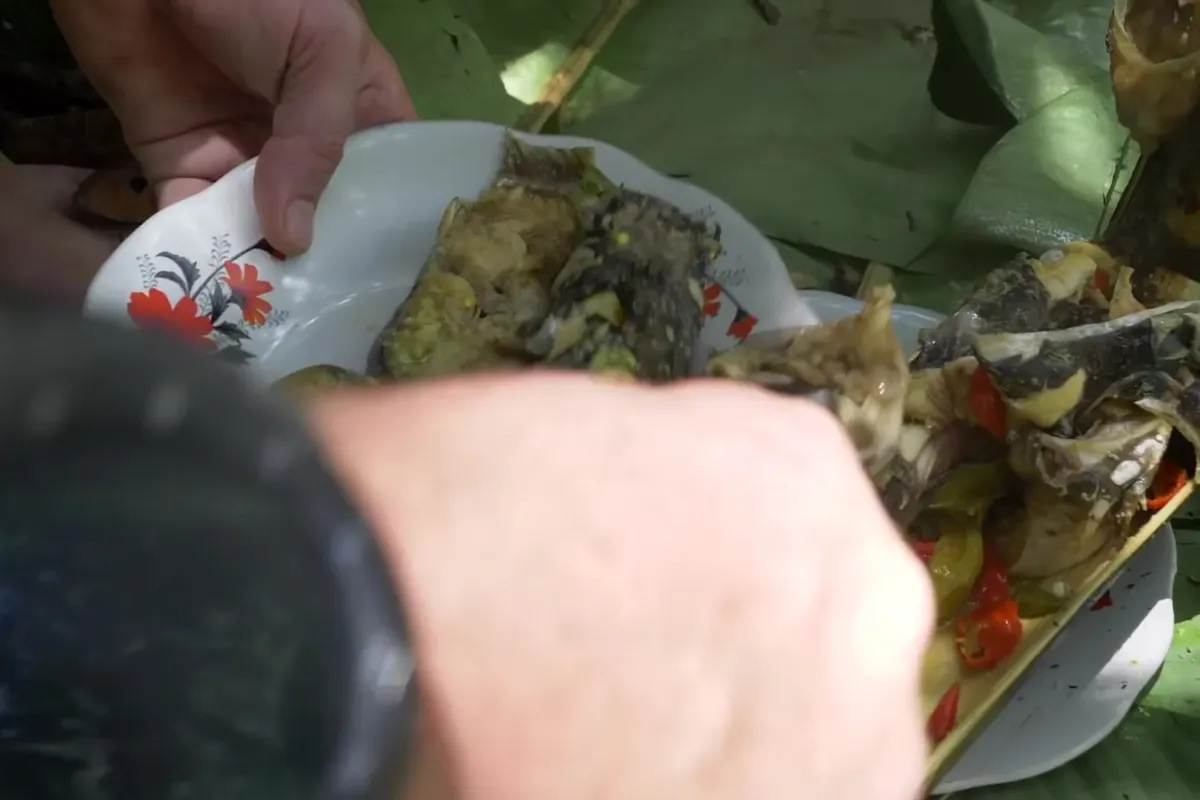
Back at Nihiwatu in Sumba, Will and Chef Ben McRae have a line-caught rainbow runner. Will’s idea is to treat it Batak style. In North Sumatra this dish is traditionally made with tilapia, a river or lake fish, but he thinks the rainbow runner will work really well.
The Batak paste is shallot, garlic, peanuts and lemon, with turmeric, ginger flower and ginger all grilled first, then pounded with green and red chilli. Will slices the fish and shows his sashimi trick: cut down along the fillet, then flip the knife at the end for a clean finish. Lime juice and the paste go through the fish.
Then comes a twist that Batak cooks might complain about. He tops it with sambal matah and a few peanuts, and adds fresh ginger flower. Tasting, he finds a good balance of sweet, salty and sour.
Sumba