Bikang Pandan
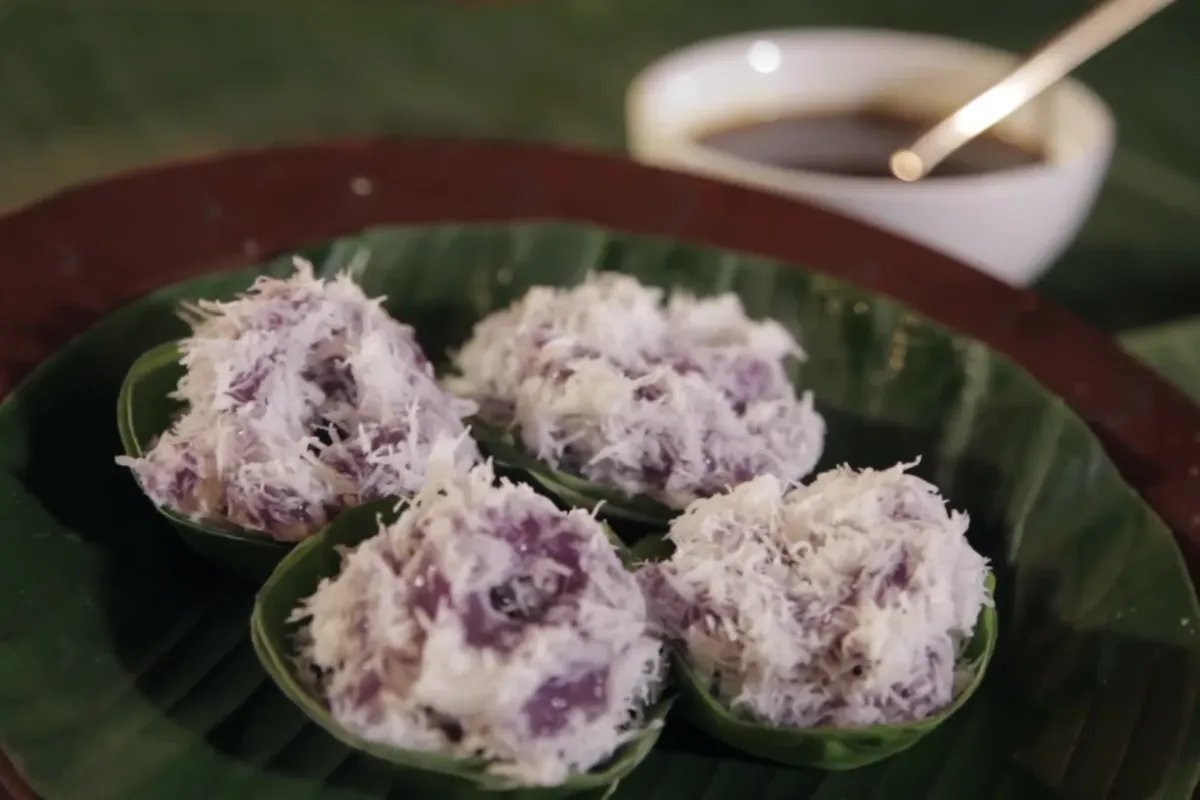
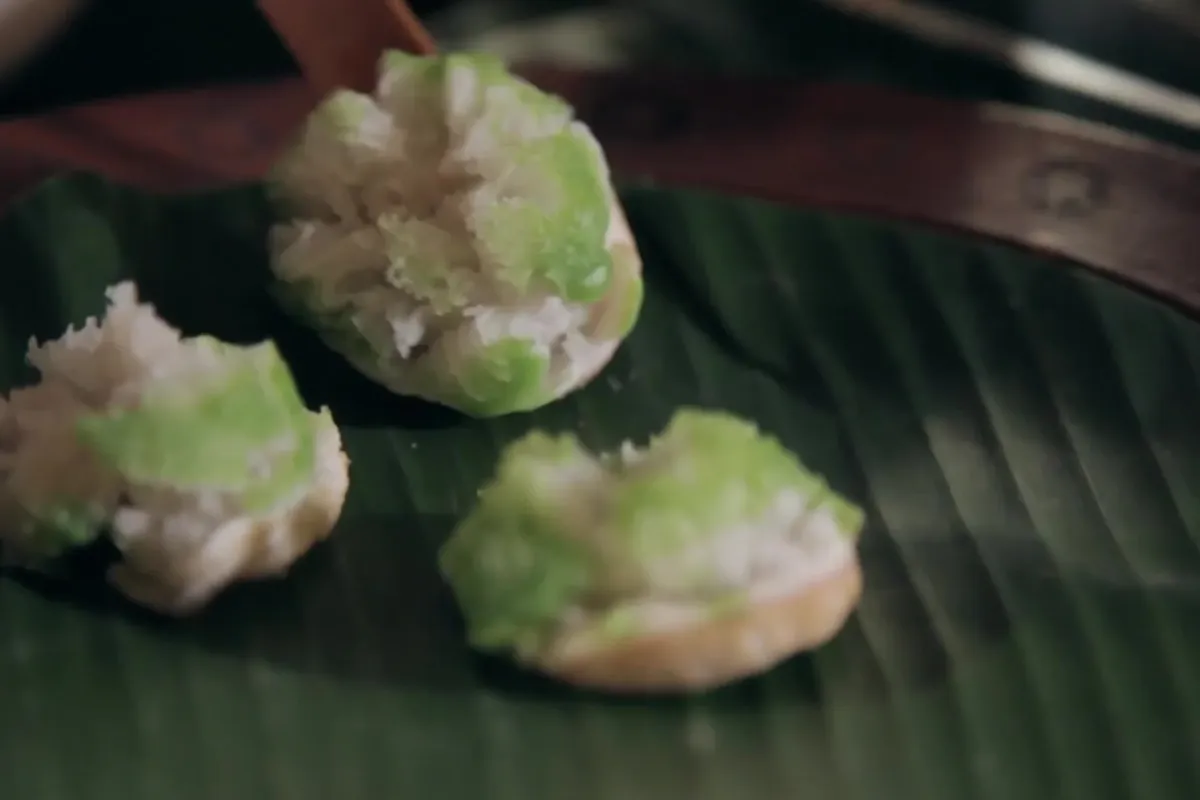
Bikang pandan, also called carabikang, is a steamed rice flour cake from East Java that blooms into a flower shape. It is made with coconut milk and coloured green with pandan or suji leaf.
Method
Make the batter
- Whisk the rice flour, tapioca flour, sugar, salt and yeast in a bowl. Whisk in the coconut milk until smooth.
- Rest the batter for 30 minutes, until it has a few bubbles on the surface.
- Take out about one third of the batter and stir in the suji or pandan juice to make a green batter.
Cook the cakes
- Heat a moulded cake pan over medium heat and oil the hollows lightly.
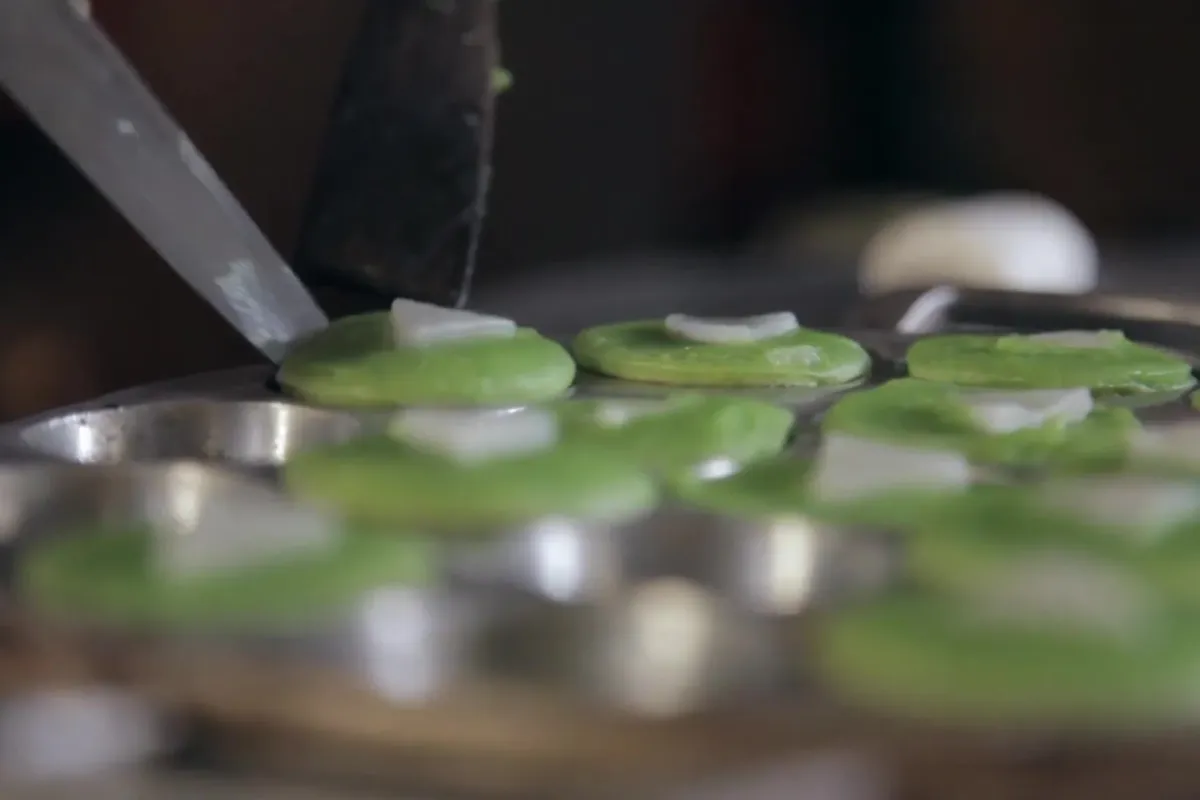
- Fill each hollow two thirds with the plain batter. Spoon a little green batter on top.
- Cover and cook for 5 to 6 minutes, until the cakes are firm and no longer soft in the middle.
- Lift the cakes out one by one with a small spatula and serve warm or at room temperature.
Tap a step to mark it done.
Useful shortcuts for home cooks
The bloom comes from a short rest with yeast and a hot pan. Do not stir the batter again once it has rested.
Suji gives the strongest green. If you only have pandan, blend the leaves with very little water so the colour stays deep.
Serve with tea in the afternoon, as at Tugu Hotel.
The story behind the recipe
Und Corner, the bakery at Tugu Hotel in Malang, is known for its high tea desserts. Ibu Susi, the hotel’s cake specialist, shows Will how to make bikang pandan, which some people still call carabikang.
The batter is rice flour, tapioca flour, white sugar and salt. Will points out that many Indonesian desserts carry quite a lot of salt, because coconut milk needs it for balance. A portion of the batter is coloured green with suji leaf.
The cakes cook for 5 to 6 minutes, until they are firm and no longer soft in the middle. They are then lifted out piece by piece so they bloom.
Malang